

Our Research
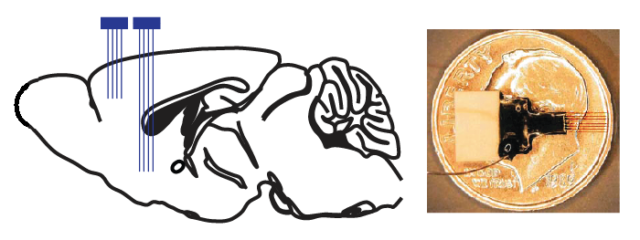
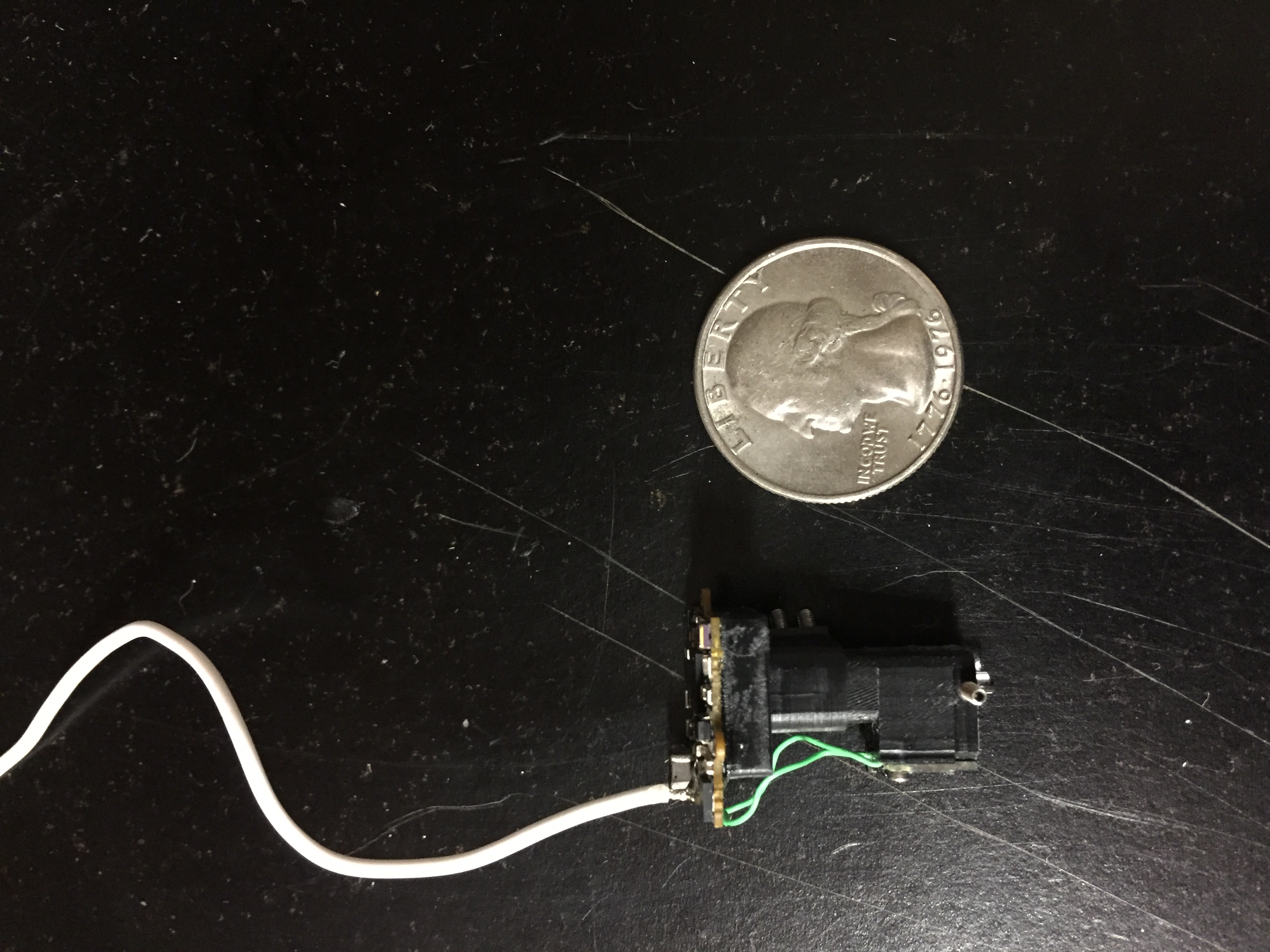
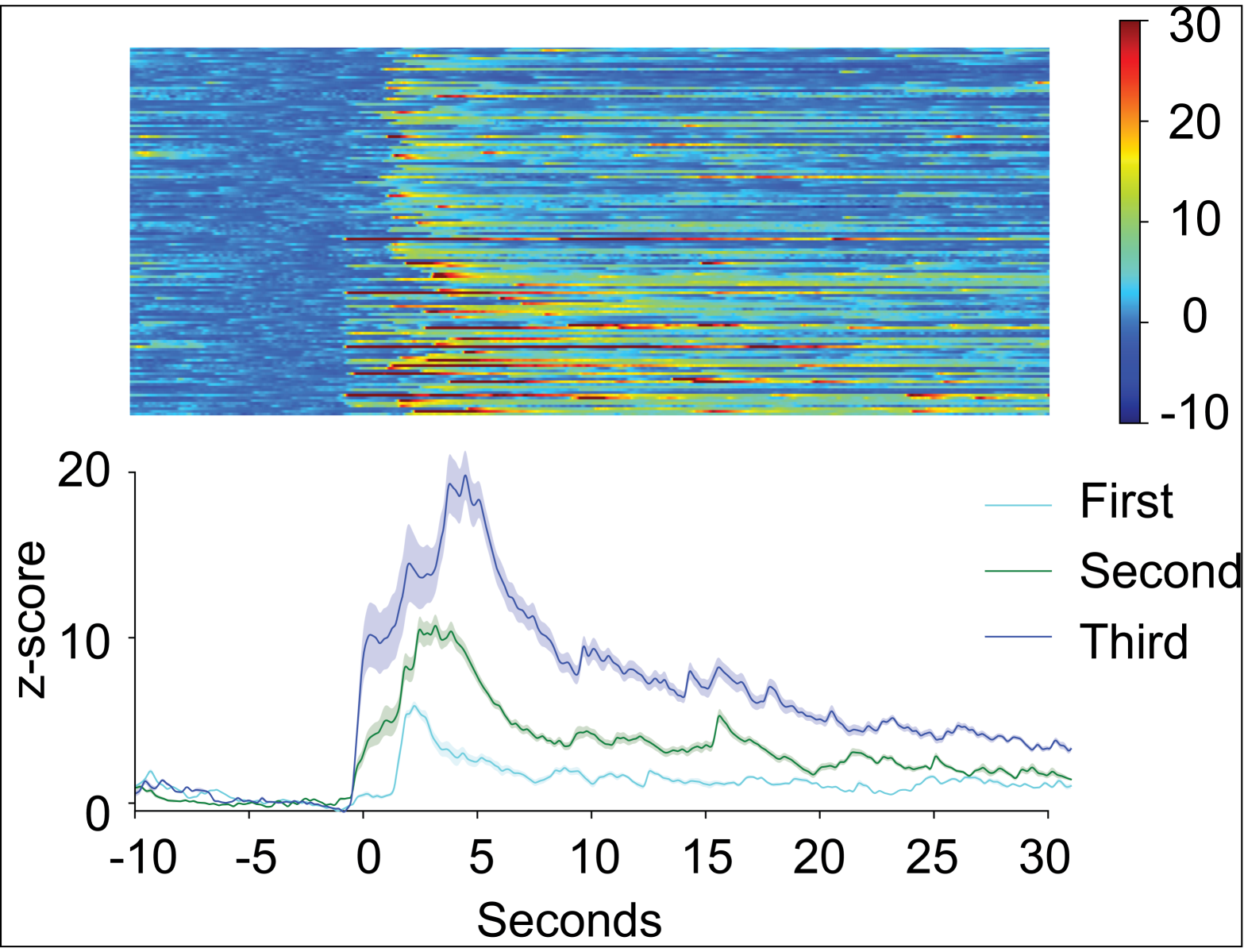
We use advanced electrophysiological and neurochemical techniques to examine the activity patterns of individual neurons as well as neuronal populations and how these are regulated via neurotransmitters (dopamine in particular). We previously implemented the use of a carbon fiber-based sensor that allows for the simultaneous measurement of neuronal firing and neurotransmitter release. We complement this approach with modern neuroscience techniques such as opto and chemogenetics as well as calcium imaging in freely moving animals using mini-endoscope technology and fiber photometry. These techniques are particularly useful for elucidating specific temporal relationships between behavior and brain activity.
Techniques
- Optogenetics
- Chemogenetics
- Iontophoresis
- Intra-cranial self-stimulation
- Drug self-administration
- Genetically encoded calcium indicators
- Calcium imaging neuron microscopy
- Ensemble (multiple single-unit) recordings
- Fiber Photometry
- Multi-Photon Microscopy

Projects

Investigation of psychostimulant risk in detoxified opioid use
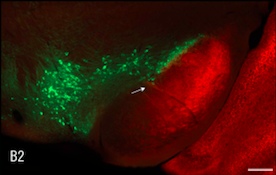
Endocannabinoid modulation of goal-directed behavior.
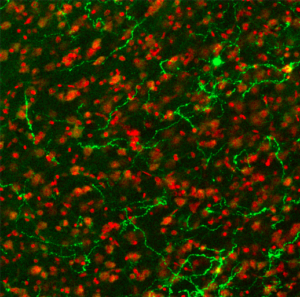
Endocannabinoid modulation of negative reinforcement.
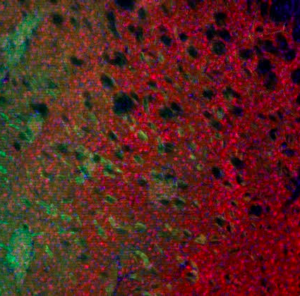
The effects of prenatal exposure to the primary psychoactive component of marijuana
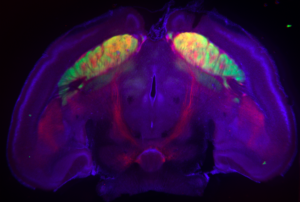
Serotonin/Endocannabinoid interactions
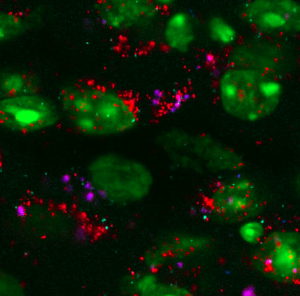
Hippocampal cholinergic dynamics and the role of cannabinoid receptors in memory and motivation